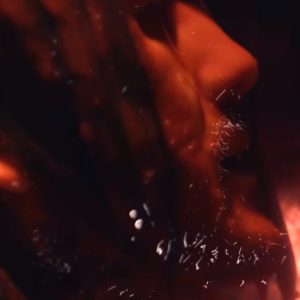
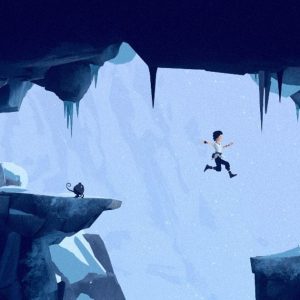
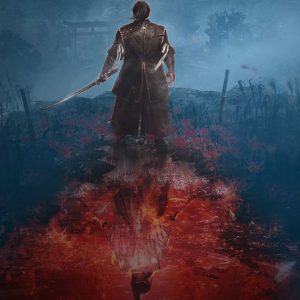
Tarsier is back with a horror game that takes its well-known Little Nightmares style and makes it richer and more meaningful. While it could have been a bit bolder, Reanimal is still very captivating, with a dark, nasty, and scary feel.
You can’t really talk about Reanimal without mentioning Little Nightmares. This is the first game from Tarsier since they stopped making the series that made them famous. (The third part was made by someone else and didn’t do too great). Reanimal feels so much like Little Nightmares that it’s hard to miss. It’s about two skinny kids, a boy and a girl, who are lost in a terrible, dangerous world. The game is set up with scary boss characters you meet again and again, and chases that build up to a big finish. Reanimal also has many of the same quirks as its predecessor. For example, it starts with a mysterious hint – here, it’s the opening of a crumbling well looking up at a scary sky. It also shows how the clever main characters come back to life, huddled together as if they just woke up from a bad dream.
But even with all the ways it’s the same, Reanimal also feels quite different. For one thing, the scary things these young children face are not softened by a fairy-tale look anymore. This is a dark, mean, and violent world, and its horrors are often truly disturbing. Beyond its grimmer, nastier feel, it’s also much more ambitious and experimental. The first big surprise is the voices. Adding talking could have ruined the feeling of being alone and scared. But from the very first line – a quiet, questioning, “I thought you were dead” – Tarsier gets it just right. There are only a few more lines in the whole game, and each one is more chilling because it’s unclear what they mean, especially when spoken by what I think are real children. Then there’s the camera. It’s always moving and changing, showing Tarsier breaking away from its usual side view. Instead, it frames the cinematic action – like foggy oceans, flooded streets, burnt forests, and old factories – to have the biggest impact.
We start, though, on calm, spooky waters. The early boat trip with Boy and Girl is guided through the dark night by screaming seagulls and the faint red lights of distant markers. For a while, it seems Tarsier might have completely left behind its old ways. We drift freely into the unknown, through caves that look like the bottom of the sea and long, winding streams filled with mines. But soon, the boat runs aground near something like a huge concrete fort. Then, Reanimal falls back into a more familiar pattern. Just like Little Nightmares, Reanimal builds its progress around a series of encounters with different monsters. It follows a predictable pattern: introduction, things get worse, and then a final fight before moving on to the next. And Tarsier has created truly unsettling monsters here – sad, tortured creatures twisted into strange shapes made of other, scarier things. This makes its darker, meaner, and more hopeless tone even stronger.
The world of Reanimal is also fascinating. This broken island, torn apart by the ocean, is a surprisingly modern-day nightmare. Early on, the young siblings find themselves lost in empty factories. Deserted train yards give way to falling-apart city slums, then forgotten farms, rough coastlines, and so on. It’s a world of parking lots and grocery stores, of taxis and school buses, that feels both familiar and completely strange. And while there’s a tiny hint of a story – maybe about humans and nature caught in a losing battle against corruption – it’s more of a mood piece. It tells its story through hints in the environment rather than a clear plot.
1of9
Caption
Attribution
When it comes to how Reanimal plays, Tarsier mostly focuses on keeping things moving forward, adding only gentle challenges. There are simple puzzles, usually involving finding an item and using it somewhere. There’s also basic one-button fighting, used rarely to add a sudden jolt of fear. You’ll do a bit of easy jumping and even some driving, but the main goal is to keep the pace going rather than making the gameplay more complex. It’s worth noting, though, that the game isn’t completely on a straight path. The world gives you some room to explore. Sometimes you’ll get stuck and have to look around more to find a way forward. Each new area is filled with little secrets – hidden passages, mysterious nooks – for those who want to find masks, concept art, and other unusual items. But Tarsier keeps things tight enough that the feeling of being trapped never goes away. Even during the few sailing parts that give you more freedom, they mostly serve as a break between the main sections.
Overall, it creates a solid, if perhaps not groundbreaking, gameplay foundation. This might be more worrying if it weren’t for Reanimal’s constant forward motion. Tarsier’s skill at creating big moments and its careful planning are often truly amazing. The studio knows exactly when to switch from quiet dread to full-on action. I really don’t want to give too much away, but there are some fantastic moments here – like a chase across the top of a collapsing train or an escape along a dangerous cliff face with birds swarming. And importantly, the combination of tighter controls, smart checkpoints, and easier ways to recover from mistakes means it avoids the frustrating trial-and-error moments that Little Nightmares often had. The sheer spectacle of it all, the pure cinematic feel of the shifting camera, keeps a real sense of danger even without frequent game overs.
1of9
Caption
Attribution
In fact, the way Tarsier uses the camera is worth talking about more because it adds so much to the experience. There are times when you’re lost at sea, and the camera pulls back to show a stunning view as huge shapes appear through the fog. There’s a dizzying chase up a tall staircase that, when seen from above, is pure panic as hands reach up from the growing shadows. Sometimes, Tarsier uses clever camera tricks to make you doubt what’s real and where you are, making you feel even more lost. There’s a neat part at a bus stop where, just by zooming in, Tarsier completely changes the mood. I admit, sometimes the style is more important than the function, leading to moments of frustration. A few times, I felt completely lost in a wide-open view. But it feels like a small price to pay since the moving camera is so important for building the game’s atmosphere and tension. And if atmosphere is what makes horror good, then Reanimal – with its dark world made of sharp shadows and bright flashes of red, its creepy character movements, and its constantly unsettling sound – is excellent. This might not be a game that makes you jump out of your seat, but it’s full of real danger.
All of this makes me wonder why I’m not quite as thrilled with Reanimal as I feel I should be. Why, by the time it ended about eight hours later, I felt just a little bit unsatisfied. Partly, I think it’s because the story is intentionally hard to figure out. Its mysterious, deliberately unclear ending feels like it was made more for people to discuss online than to provide a clear story conclusion. (And who knows what the upcoming story downloadable content will bring). Partly, too, I think it’s because Reanimal’s structure is broken into episodes. The predictable ups and downs of events are taken straight from Little Nightmares. Familiarity, perhaps, is the enemy of horror. And even with Tarsier’s careful planning, Reanimal’s undeniable thrills feel a bit weakened by sticking to a routine.
But those are small issues in the grand scheme of things, and there’s so much here that I love. Reanimal is a game with amazing atmosphere and artistry. It builds on a familiar idea in a way that feels like real progress, even if it might have been better if it had been more daring. And while I won’t pretend to fully grasp the depth of its mystery, Tarsier’s latest game is a dark, violent, and grimly captivating journey through a remarkable vision of something like hell.